The Norwegian Way of Living Outdoors
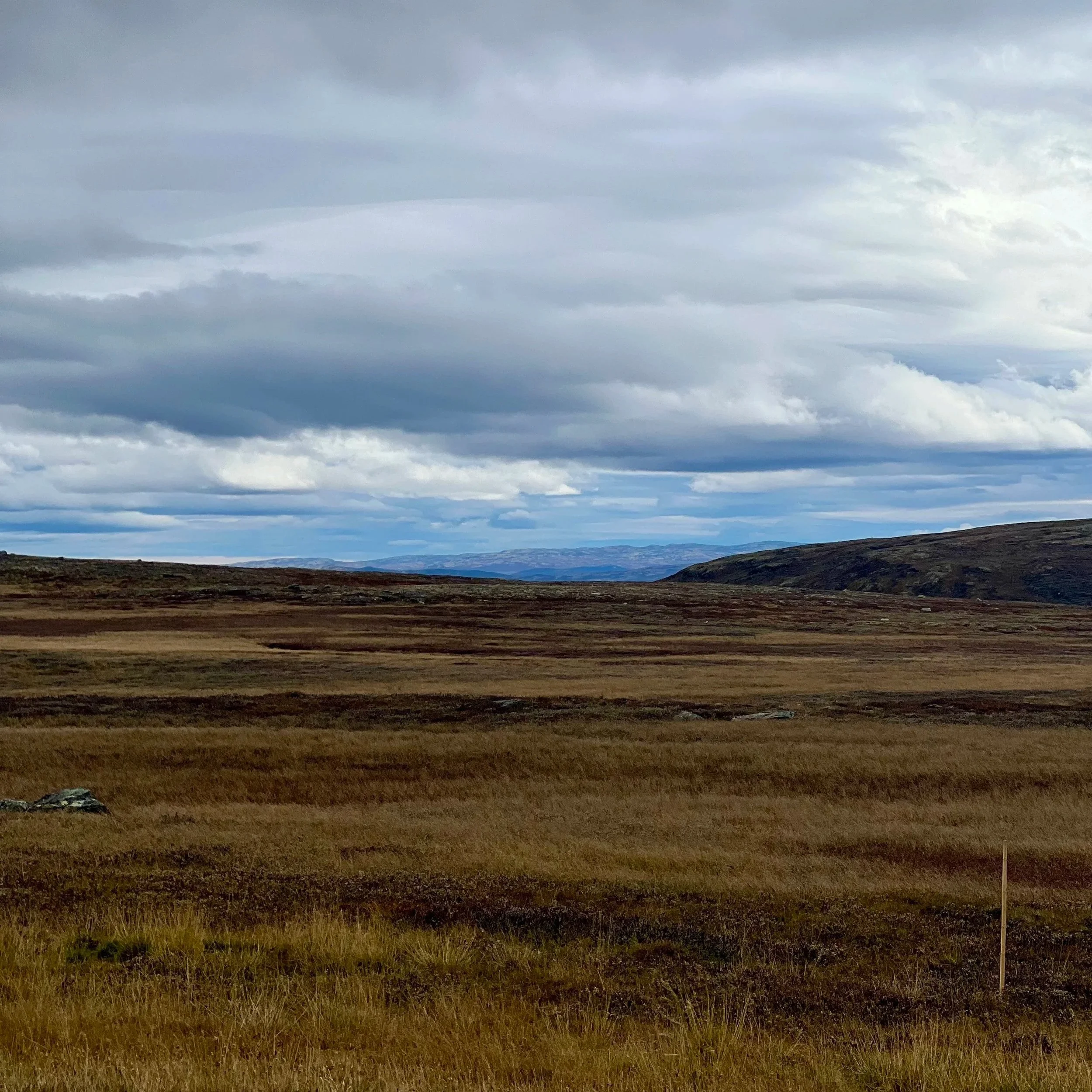
In Norway, outdoor life is rarely treated as an escape from the everyday. Through the tradition of friluftsliv, time outside becomes part of life itself—simple, familiar and available in every season.
The Norwegian word friluftsliv is often translated as “outdoor life”, but the meaning is broader than the translation suggests. It describes a relationship with nature that is woven into ordinary life: an evening walk through the woods, coffee beside a lake, a night spent in a tent or a quiet hour outside after work.
Friluftsliv does not require a distant wilderness or an ambitious expedition. It can begin at the edge of a neighbourhood, along a familiar path or in a small patch of forest close to home. The distance travelled matters less than the act of going outside and allowing the landscape to set a different pace.
This is part of what makes the tradition so enduring. Outdoor life is not reserved for specialists, and nature is not treated only as a place for performance. A walk does not need to be particularly long, fast or difficult to be worthwhile. Reaching a summit may be rewarding, but so can sitting beneath a tree while rain moves through the branches.
For many Norwegians, this relationship with the outdoors begins early. Children spend time outside through changing seasons, at home, in kindergarten and at school. They learn that cold, rain and snow are conditions to prepare for rather than automatic reasons to remain indoors. Warm layers, something waterproof and a little food can transform an unpromising day into a good one.
The familiar phrase det finnes ikke dårlig vær, bare dårlige klær—there is no bad weather, only bad clothing—captures some of this attitude. It is not entirely true, of course. Some weather really is unpleasant, and knowing when to turn back is part of moving safely outdoors. But the expression reflects a practical willingness to meet the conditions as they are.
Weather also changes the experience of a place. A forest feels different beneath summer leaves, autumn rain or deep winter snow. A path walked many times can become unfamiliar in fog, while a landscape that seems quiet in daylight may feel entirely different beneath a low evening sun. Returning through the seasons creates a kind of intimacy that cannot be gained from a single visit.
This repeated contact with nature is central to friluftsliv. It encourages attention rather than consumption. The same path, shoreline or hillside can offer something new each time: the first frost, softer ground after rain, migrating birds or the gradual return of light after winter. The landscape is not simply a backdrop for an activity. It becomes something observed, understood and cared for over time.
There is also a distinctive simplicity to Norwegian outdoor life. The essential things are often modest: suitable clothing, a packed meal, something warm to drink and enough time to stop. A slice of bread eaten outside can feel more memorable than a carefully prepared meal indoors. Coffee poured from a flask marks a pause and gives the outing its own quiet rhythm.
The pause is important. Friluftsliv is not only about movement but also about stopping—finding a sheltered place, taking off a backpack and noticing where you are. This makes room for conversation, solitude or simply a few minutes without a particular purpose. In a culture that can otherwise feel efficient and structured, time outdoors offers permission to do less.
Although outdoor equipment has become increasingly technical, the heart of friluftsliv remains uncomplicated. Good clothing and reliable gear can make time outside safer and more comfortable, but they are tools rather than the point of the experience. The most valuable equipment is often the equipment already owned, understood and used repeatedly.
Norway’s long tradition of access to uncultivated land has also helped shape this relationship. Moving freely through forests, mountains and coastal landscapes brings both opportunity and responsibility. The expectation is to pass through with care, respect wildlife and other people, and leave little evidence behind. Access is accompanied by an understanding that the landscape is shared.
Friluftsliv can take many forms. For one person, it may mean crossing a mountain plateau with everything needed for several days. For another, it is a slow walk with a child, a swim from a local shore or ten quiet minutes beneath an open sky. These experiences are different in scale, but they grow from the same idea: nature belongs within everyday life, not outside it.
Perhaps this is why friluftsliv can be difficult to define precisely. It is less a single activity than a habit of returning. It does not promise constant comfort, dramatic views or measurable achievement. Instead, it offers changing weather, familiar landscapes and moments of attention that gradually become part of how a life is lived.
To explore friluftsliv, seasonal layers and the quiet rituals of time outdoors, discover Hike Like a Norwegian.