Why Norwegians Wear Wool All Year
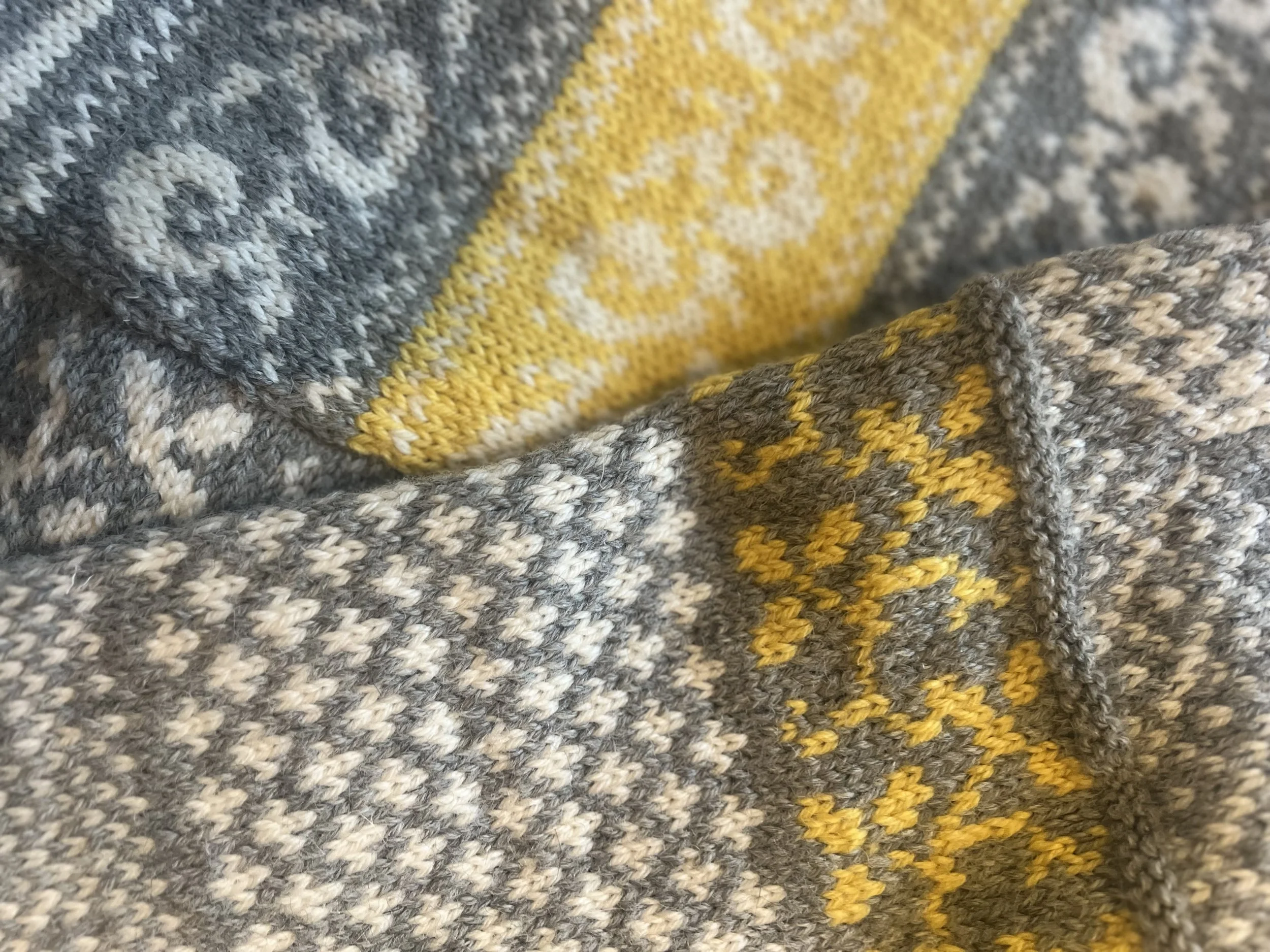
Why Norwegians Wear Wool All Year Round
In Norway, wool is not reserved for the coldest days of winter. It is part of everyday life throughout the year—from light summer layers to the clothes worn closest to the skin. Natural, breathable and remarkably adaptable, wool has earned a lasting place in the Nordic wardrobe.
Made for Changing Weather
Norwegian weather rarely stays the same for long. A cool morning can become a mild afternoon, while wind and rain may arrive without warning. Clothing needs to work across these shifts rather than for a single, predictable temperature. Wool does exactly that. Its fibres trap warmth when the air turns cold, absorb moisture when the body becomes warm and continue to insulate even when damp.
This is why wool is often the first layer Norwegians reach for. Fine merino can feel soft enough to wear directly against the skin, while heavier knits create warmth without the need for many bulky layers. A thin wool T-shirt can be useful on a cool summer evening or beneath a jacket in autumn. In winter, the same principle becomes the foundation of a complete layering system.
Wool also behaves differently from many synthetic materials. It can absorb a significant amount of moisture before feeling wet and tends to hold less odour, which means that garments often need airing rather than washing after every use. For hiking, travel and everyday life, this makes wool both practical and surprisingly low-maintenance.
A Material Rooted in Norwegian Tradition
There is also a cultural reason for its place in Norwegian wardrobes. Sheep farming and textile traditions have shaped rural life for generations, and knitted garments carry stories of place, skill and continuity. Distinctive patterns developed across different regions, while sweaters, mittens and socks were made to be worn, repaired and handed down. Even today, a well-used wool sweater can feel less like a seasonal purchase and more like a familiar part of everyday life.
Not all wool serves the same purpose. Fine merino is often chosen for base layers because of its softness, while stronger Norwegian wool is particularly well suited to outer layers, blankets and hard-wearing knitwear. Its fibres are generally more robust and springy, giving garments structure, warmth and durability. What may initially feel slightly coarse often becomes softer through wear.
Why Wool Is Made to Last
This durability matters. Wool garments can last for many years when treated with care. They require less frequent washing, can often be repaired and will eventually biodegrade under the right conditions. None of this makes wool impact-free, but it offers a different relationship with clothing—one based on use, maintenance and longevity rather than constant replacement.
Caring for Wool
Caring for wool is usually simpler than people expect. Air garments between wears, remove small marks locally and wash only when necessary. When washing is needed, use a gentle wool programme, cool water and a detergent made for wool. Reshape the garment while damp and dry it flat. With this kind of care, wool tends to age slowly and often becomes more personal with time.
Perhaps that is why wool remains so present in Norwegian life. It is technical without appearing technical, traditional without belonging only to the past, and useful across seasons. From a light layer carried in a summer backpack to a heavy sweater worn through winter, wool adapts quietly to the rhythms of northern living.
To explore the heritage, properties and everyday uses of this remarkable natural fibre, discover Wool – Field Guide 03, a deeper look at the material that has shaped life in the North for generations.