The Meaning of Kos
What Is Kos? The Meaning of Norwegian Cosiness
Kos is often translated as cosiness, but the Norwegian word describes something wider: a feeling of ease, warmth and belonging created through ordinary moments, familiar people and the quiet pleasure of being exactly where you are.
The Norwegian word kos is easy to recognise and surprisingly difficult to translate. Cosiness comes close, but it often describes a room, an object or a particular visual style. Kos is less about how something looks and more about how a moment feels.
A space can be beautiful without being koselig, and a simple place can feel deeply so. The difference may be a pot of coffee on the table, someone staying longer than planned or the quiet that settles after a meal. Kos is created through atmosphere, but also through attention—the sense that, for a little while, nothing else needs to happen.
More Than a Cosy Home
Norwegians use the word freely. An evening can be koselig. So can a conversation, a café, a walk, a cabin or a meal shared around a crowded table. People say kos deg when parting: enjoy yourself, take care and have a good time. The expression carries a small wish that the other person will find comfort or pleasure in whatever comes next.
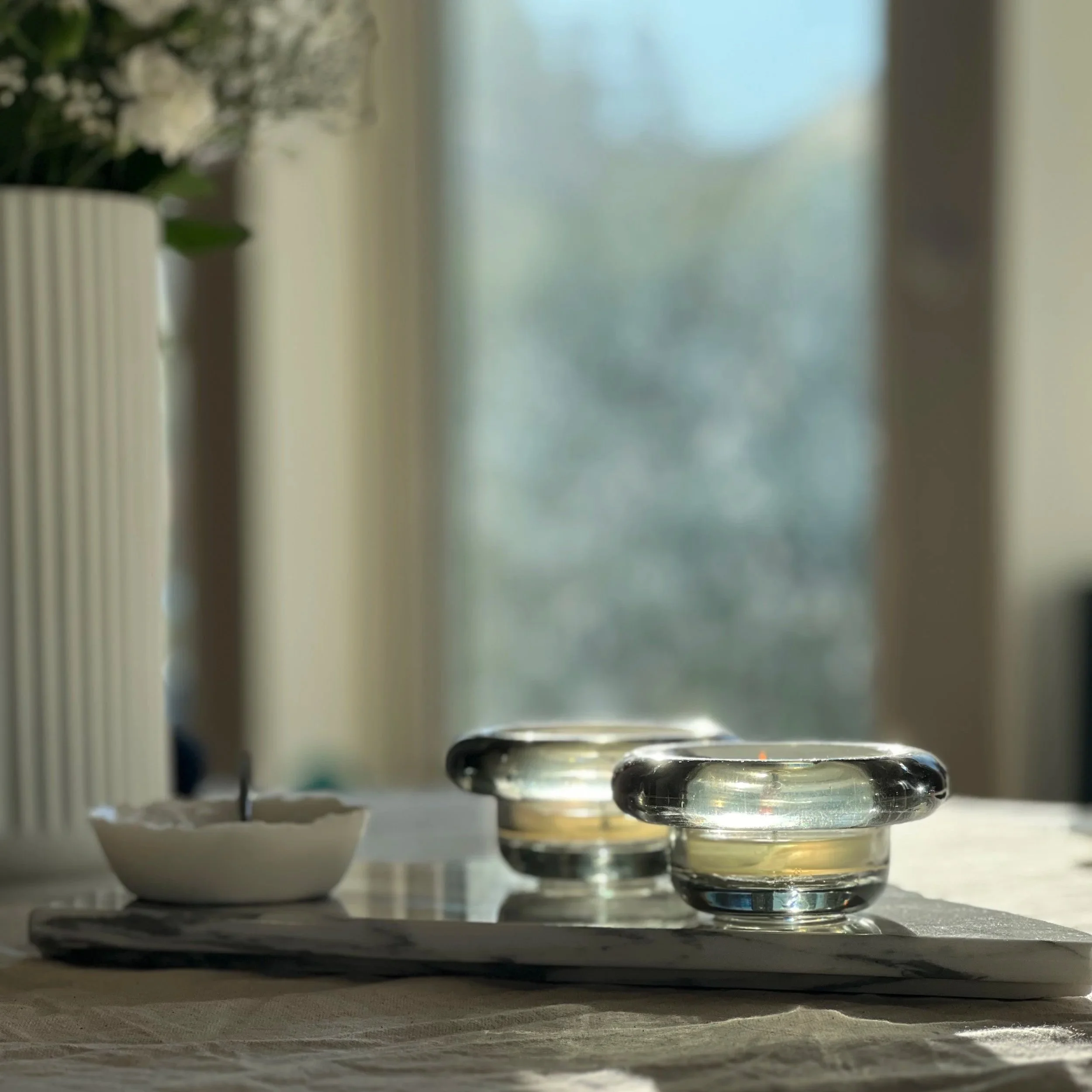
Kos is often associated with home. During the darker months, when daylight is brief and evenings begin early, interiors become places of shelter. Lamps are lowered, candles are lit and wool blankets return to chairs and sofas. These details matter, but they do not create kos on their own. They prepare the room for it.
The feeling comes from what happens within that room. It may be an unhurried dinner, coffee served in familiar cups, a book opened beneath a lamp or several people sharing the same space without needing to do the same thing. Kos allows for both company and solitude. It can be social, but it can also be the pleasure of having an evening entirely to oneself.
Kos in Everyday Life
Food plays a natural role. Kos does not demand an elaborate meal or a perfectly arranged table. Fresh bread, something warm from the oven or a bowl placed between several people can be enough. The value lies less in presentation than in generosity and time—the small signal that this moment has been made comfortable for those present.
Although the word is strongly connected to life indoors, kos is not confined to the home. A break beside a trail can be koselig, especially when a flask is opened and food appears from a backpack. A fire outside, a sheltered place out of the wind or the first warm drink after returning from the cold can create the same feeling.
A Feeling Shaped by the Seasons
This is partly because kos is shaped by contrast. Warmth feels more noticeable after cold air. Light feels softer against darkness. A quiet room becomes more comforting after a busy day. Norwegian seasons heighten these contrasts, but they do not fully define the tradition. Kos belongs just as easily to a summer breakfast outside, bare feet on a wooden floor or a late evening when the light barely disappears.
Why Kos Cannot Be Bought
It is tempting to turn kos into an aesthetic: candles, neutral colours, natural materials and carefully chosen objects. These things can support the feeling, but they are not a formula for creating it. A home does not need to appear flawless. In fact, spaces that feel lived in often hold more warmth than those arranged only to be admired.
For those drawn to this quieter approach to interiors, The Scandinavian Edit explores five simple ways to create a more considered home, working with what is already there rather than beginning again.
Familiarity matters. The chair chosen without thinking, the cup used each morning and the sweater repaired instead of replaced all carry traces of use. They make a room personal. Kos grows easily among objects that have stayed long enough to become part of everyday life.
There is also an element of permission within the idea. To have kos is to allow a moment to be enough. It does not need to be productive or impressive. A slow breakfast, an afternoon spent knitting or a conversation that continues after the plates have been cleared can have value simply because it feels good.
This does not mean that Norwegian life is always calm or that every home is softly lit and peaceful. Kos is meaningful precisely because ordinary life is often busy, practical and imperfect. It is something people make within that reality—a temporary gathering of warmth, ease and attention.
Perhaps this is why the word is used so often. Kos names something modest but essential: the feeling of being comfortable with a place, with other people or with oneself. It cannot be purchased as a complete atmosphere, but it can be encouraged through small choices—slowing down, sharing what is available and making room for a moment to unfold without asking it to become anything more.
To explore the materials, light and everyday rituals that shape a northern home, discover A Home in the North.